Schedule an Appointment
The Al-Hayat Clinic at Corniche Hospital offers expert care for high-risk pregnancies. For more information or to book an appointment:
Specialized Care for Pregnancies at Risk of Fetal Growth Restriction (FGR)
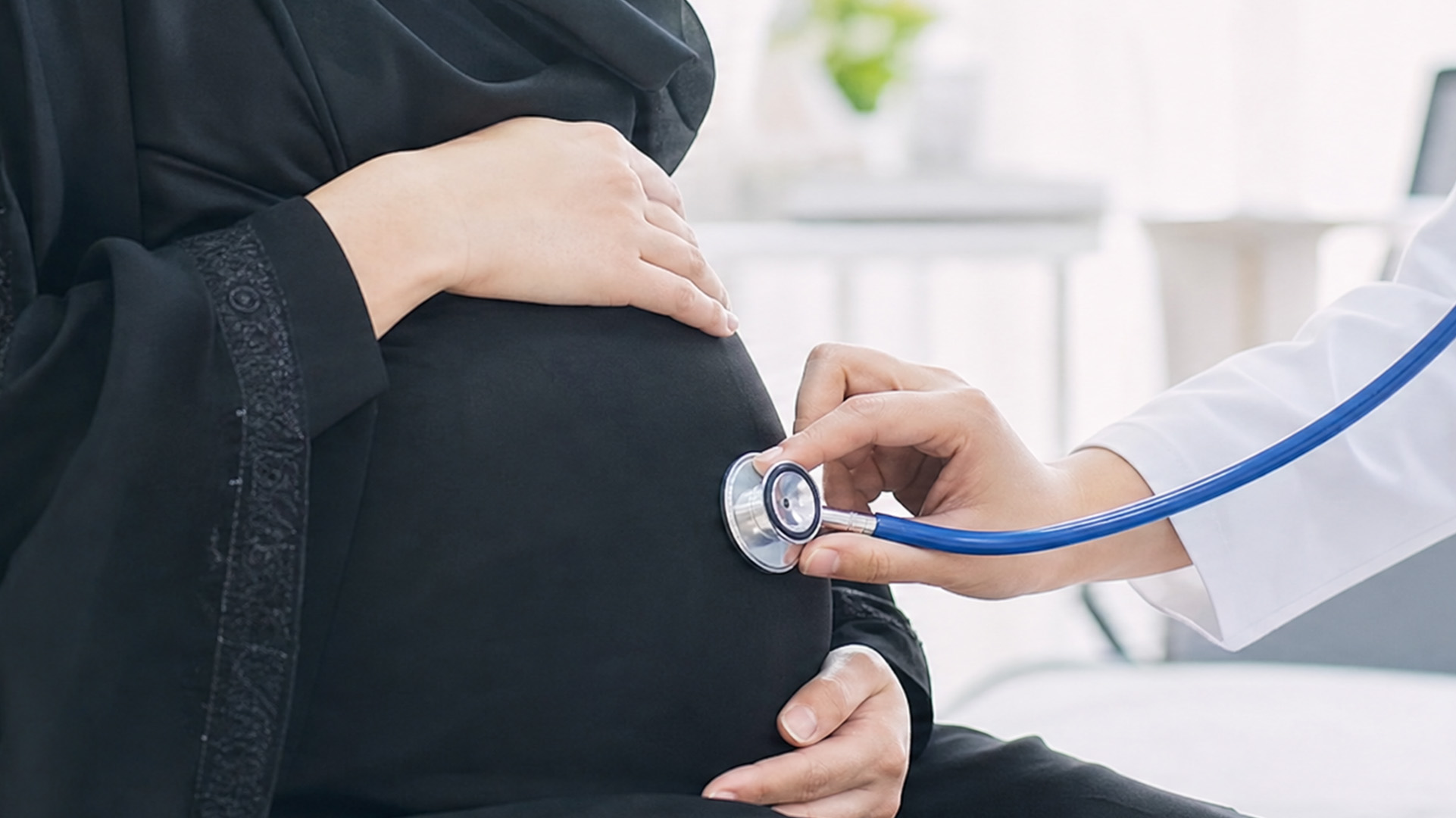
At Corniche Hospital, we recognize that every pregnancy is unique, and some require closer monitoring and specialized care. The Al-Hayat Clinic, part of our renowned Fetal Medicine Unit, is dedicated to supporting women at risk of having small-for-gestational-age babies due to a condition called Fetal Growth Restriction (FGR).
Our goal is early identification, personalized monitoring, and proactive management to help ensure the best possible outcomes for both mother and baby.

The Al-Hayat Clinic brings together a team of experienced fetal medicine consultants, sonographers, and maternal-fetal specialists who are trained in the early detection and management of FGR and other high-risk pregnancy conditions.

Women referred to the Al-Hayat Clinic are often those with higher risk factors for FGR or pregnancy complications. Our clinic provides targeted assessments and a customized care plan to reduce risks and improve outcomes.

Our monitoring and intervention protocols follow the latest international guidelines in fetal medicine. This ensures that every decision made from ultrasound schedules to delivery timing is backed by clinical research and best practices.


Fetal Growth Restriction affects approximately 1 in 20 pregnancies. It occurs when the baby does not grow at the expected rate inside the womb, often due to reduced blood flow or nutrient transfer through the placenta.
At the Al-Hayat Clinic, our priority is early detection and proactive management of this condition. FGR can increase the risk of complications if left undetected, including preterm delivery or stillbirth. However, with the right care and timely intervention, most babies diagnosed with FGR can have positive outcomes.
If required, frequent follow-up visits will be arranged at the Al-Hayat Clinic, along with scheduled growth scans in the antenatal outpatient department to monitor your baby’s progress.
The Al-Hayat Clinic team is skilled in the use of advanced fetal monitoring tools and decision-making protocols, including:

We understand that being referred to a high-risk clinic can be stressful. That’s why we focus on clear communication, emotional support, and collaborative decision-making with every patient and family.
The Al-Hayat Clinic is equipped with state-of-the-art ultrasound systems and Doppler technology, providing detailed assessments of fetal and placental health.
We also maintain close coordination with the hospital’s Neonatal Intensive Care Unit (NICU) and other specialty services, ensuring a seamless care pathway in case of early delivery or additional neonatal support.
When attending your Al-Hayat Clinic appointment, please bring:
Our team is here to ensure you feel informed and supported every step of the way.
The Al-Hayat Clinic at Corniche Hospital offers expert care for high-risk pregnancies. For more information or to book an appointment:

Al Zahiyah - E12 - Abu Dhabi

0800-50

0800-50